Bangalore’s Real Estate Boom: Growth with Responsibility
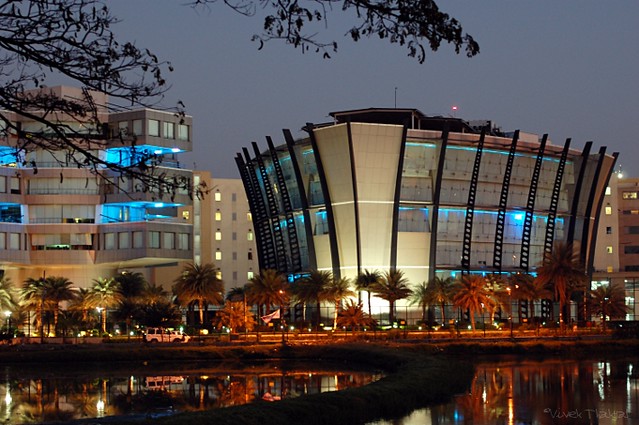
Bangalore’s real estate story is one of constant expansion. From the IT surge of the early 2000s to today’s diversified economy spanning startups, global tech giants, biotech, aerospace, and manufacturing, the city has grown far beyond its original boundaries.
Areas that were once considered outskirts. Whitefield, Sarjapur Road, North Bangalore, and parts of Mysore Road are now fully developed residential corridors. Infrastructure projects, metro expansion, and employment hubs continue to fuel demand.
But as Bangalore grows, a new question is shaping buyer behaviour.
Is growth happening responsibly?
The Shift from Quantity to Quality
For years, the market focused on volume. More towers. More units. Faster launches.
While this met short-term demand, it also created challenges. Congested layouts, overbuilt land parcels, stressed water supply, and lack of open spaces are common issues in many older developments.
Today’s homebuyers are far more discerning. They are not just buying square footage. They are buying into a lifestyle that must remain viable for the next 20–30 years.
This has shifted the conversation from how much can be built to how well it is built.
Infrastructure and the Responsibility of Development
Bangalore’s civic infrastructure is evolving, but it is not infinite.
Responsible real estate growth takes into account:
Road capacity and traffic flow
Water sourcing and recharge
Sewage treatment and reuse
Power load and sustainability
Environmental impact on surrounding areas
Projects that ignore these realities often face long-term issues, both for residents and for asset value.
Developments that plan responsibly, with controlled density and proper infrastructure integration, tend to age better and offer a more stable living environment.
Legal Clarity as a Pillar of Responsible Growth
One of the most critical aspects of responsible real estate is legal compliance.
With RERA enforcement and increased buyer awareness, projects today are evaluated on:
Clear land titles
Approved layouts
Environmental and local authority clearances
Transparent documentation
Growth without compliance creates risk. Responsible development prioritises clarity, accountability, and long-term trust.
For buyers, this translates to confidence. For developers, it builds reputation and credibility.
Why Responsibility Equals Long-Term Value
Real estate is not a short-term product. A home lives through decades of use, resale cycles, and community evolution.
Projects that are responsibly planned often deliver:
Lower maintenance issues
Stable communities
Better resale demand
Consistent rental interest
As Bangalore continues to expand, developments that balance growth with responsibility will define the city’s next phase.